Shape Optics offers LWIR Dual Field-of-View (FOV) lenses designed for thermal imaging cameras operating in the 8–12 μm infrared wavelength range. These lenses provide two selectable fields of view, allowing imaging systems to switch between wide-area observation and detailed long-range monitoring.

Unlike continuous zoom lenses, dual FOV lenses switch between two predefined focal lengths, providing a practical solution for thermal surveillance, perimeter security, maritime observation, and other infrared imaging applications.
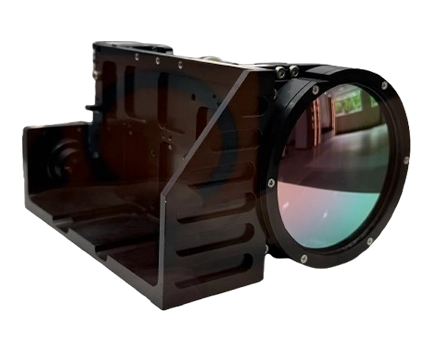
LWIR FOV Lens

LWIR Dual FOV Lens Overview

Wide and Narrow View Selection

A dual field-of-view design provides two optical viewing modes. The wide view supports general observation and scene awareness, while the narrow view provides a closer view of a selected area or target.

Instead of changing lenses manually, the imaging system can switch between the two views according to operational requirements.

Improved Situational Awareness

Using two selectable viewing angles allows thermal imaging systems to cover a broad area while maintaining the ability to examine specific targets in greater detail.

This is particularly useful for applications where an operator needs to detect an object first and then perform closer observation without changing the complete optical assembly.

Suitable for Dynamic Applications

Dual FOV thermal lenses are commonly considered for systems that require flexible observation at different distances. Typical applications may include: Perimeter and facility surveillance, Security and monitoring systems, Industrial thermal inspection, Long-distance target observation, Thermal imaging equipment or Custom infrared imaging systems.

Designed for LWIR Thermal Imaging

The LWIR Dual Field-of-view (FOV) Lens works with long-wave infrared thermal imaging systems operating around the 8–12 µm spectral range.

When selecting a suitable model, important parameters include detector resolution, pixel size, required field of view, focal length, working distance, environmental conditions, and system integration requirements.

How Does Dual FOV Work?

An LWIR dual field-of-view lens provides two selectable optical configurations, allowing a thermal imaging system to switch between wide and narrow viewing angles.

Wide Field of View: Uses a shorter effective focal length to cover a larger observation area, making it suitable for general surveillance and situational awareness.

Narrow Field of View: Uses a longer effective focal length to provide a smaller viewing angle and greater image detail for distant objects.

The switching mechanism changes the optical configuration between two predetermined focal lengths. Unlike continuous zoom lenses, dual FOV systems do not provide intermediate zoom positions.

This configuration is suitable for applications requiring rapid changes between area monitoring and detailed thermal observation.

LWIR FOV Lens

Key Considerations for Lens Selection

Selecting a suitable LWIR dual FOV lens requires evaluating the detector specifications, optical configuration, switching requirements, and operating environment.

Parameter Selection Considerations
Wide and Narrow Focal Lengths Determine the required field of view for area observation and detailed monitoring.
Detector Compatibility Match detector resolution, pixel pitch, and active image size.
F-number (F/#) Evaluate optical aperture and thermal imaging sensitivity requirements.
Optical Performance Review MTF, transmission, distortion, and image quality in both FOV modes.
FOV Switching Mechanism Check switching speed, repeatability, control interface, and power requirements.
Mechanical Integration Confirm mounting dimensions, overall size, weight, and installation clearance.
Environmental Conditions Consider operating temperature, vibration, and reliability requirements.

Explore our LWIR lens solutions or contact our team to discuss your thermal imaging requirements.

Applications in Infrared Imaging

LWIR dual field-of-view lenses are suitable for imaging systems requiring both wide-area observation and detailed thermal monitoring.

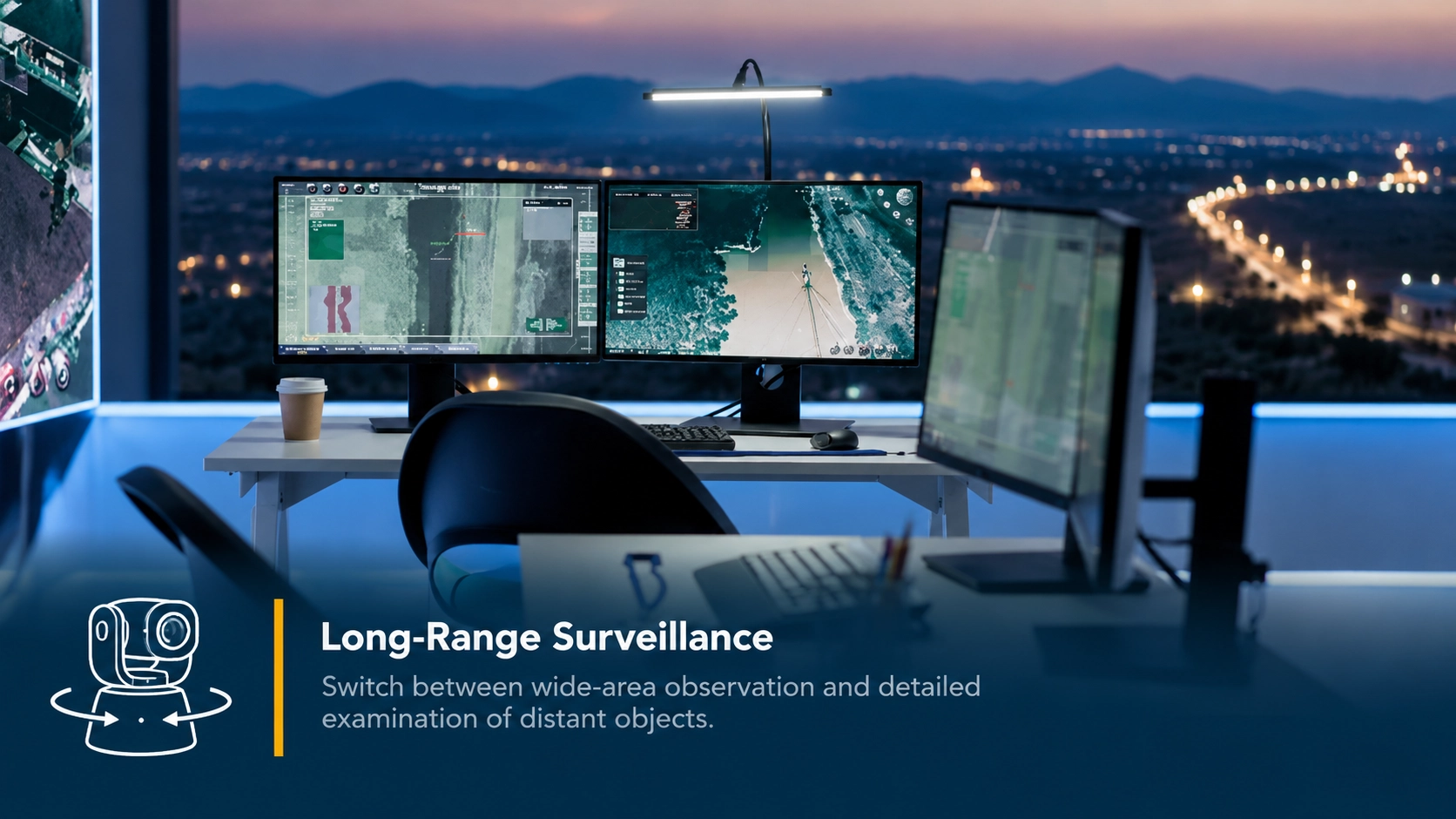
  • Long-Range Surveillance: Switch between broad-area monitoring and narrow-field observation of distant objects.
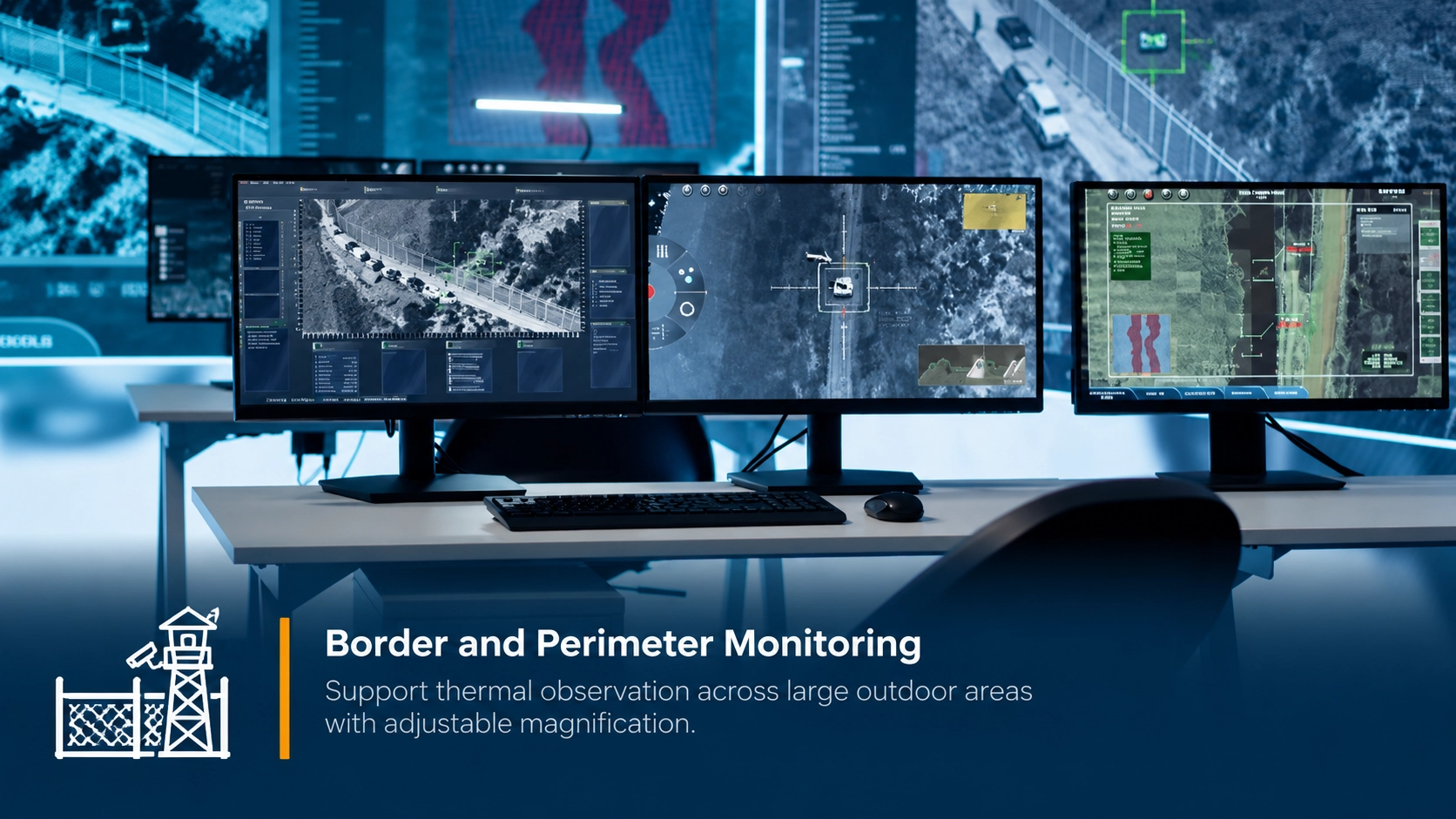
  • Border and Perimeter Monitoring: Support wide-area scanning and detailed inspection of selected locations.
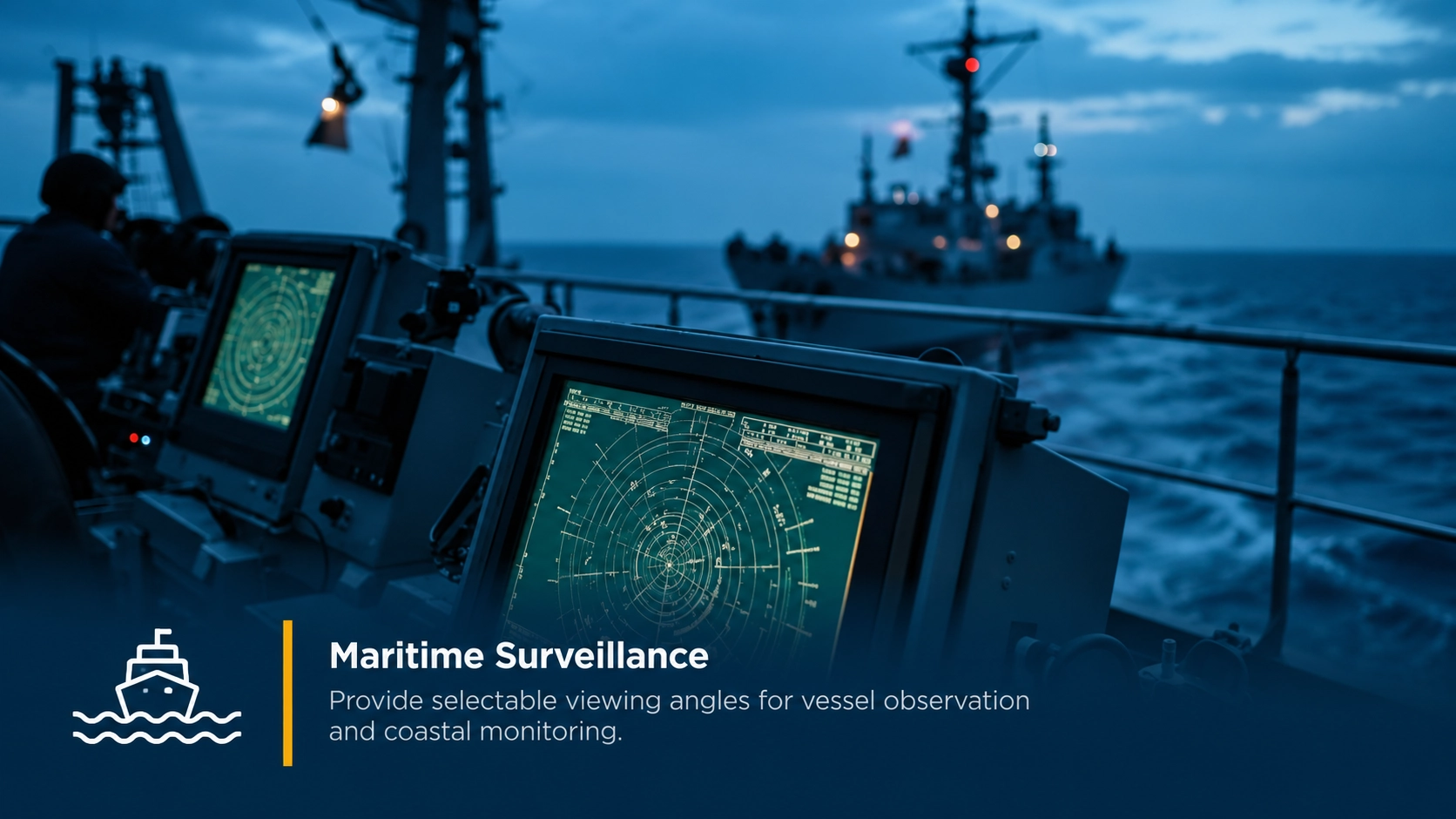
  • Maritime Surveillance: Provide selectable viewing angles for vessel observation and coastal monitoring.
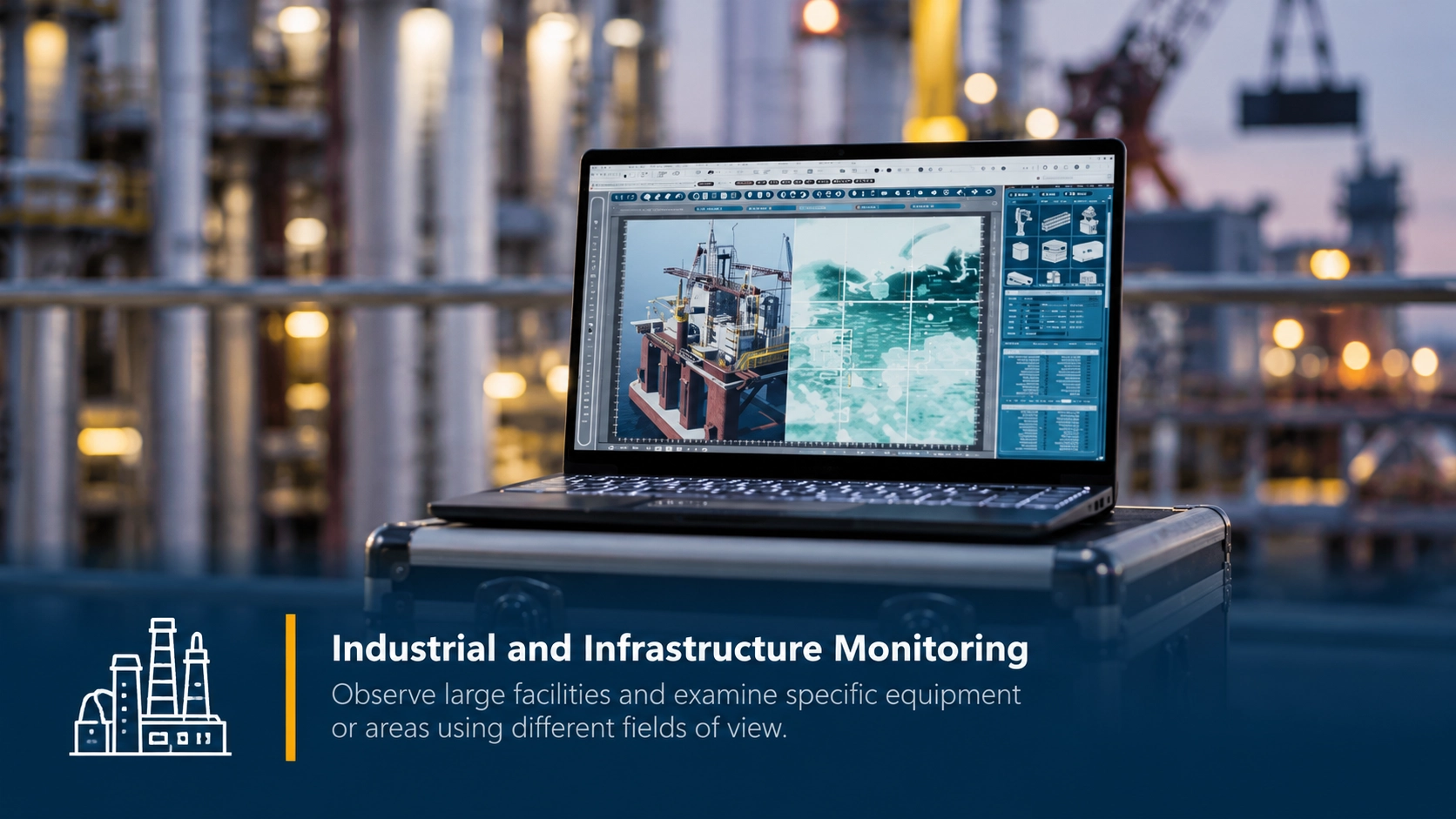
  • Industrial and Infrastructure Monitoring: Observe large facilities and examine specific equipment or areas using different fields of view.
Industrial Infrastructure Monitoring
Maritime Surveillance at Sea
Border and Perimeter Monitoring
Long-Range Surveillance Operations Center

Request Quote

Need a custom LWIR lens?

Tell us your detector, focal length, and requirements — our engineering team will support your design.